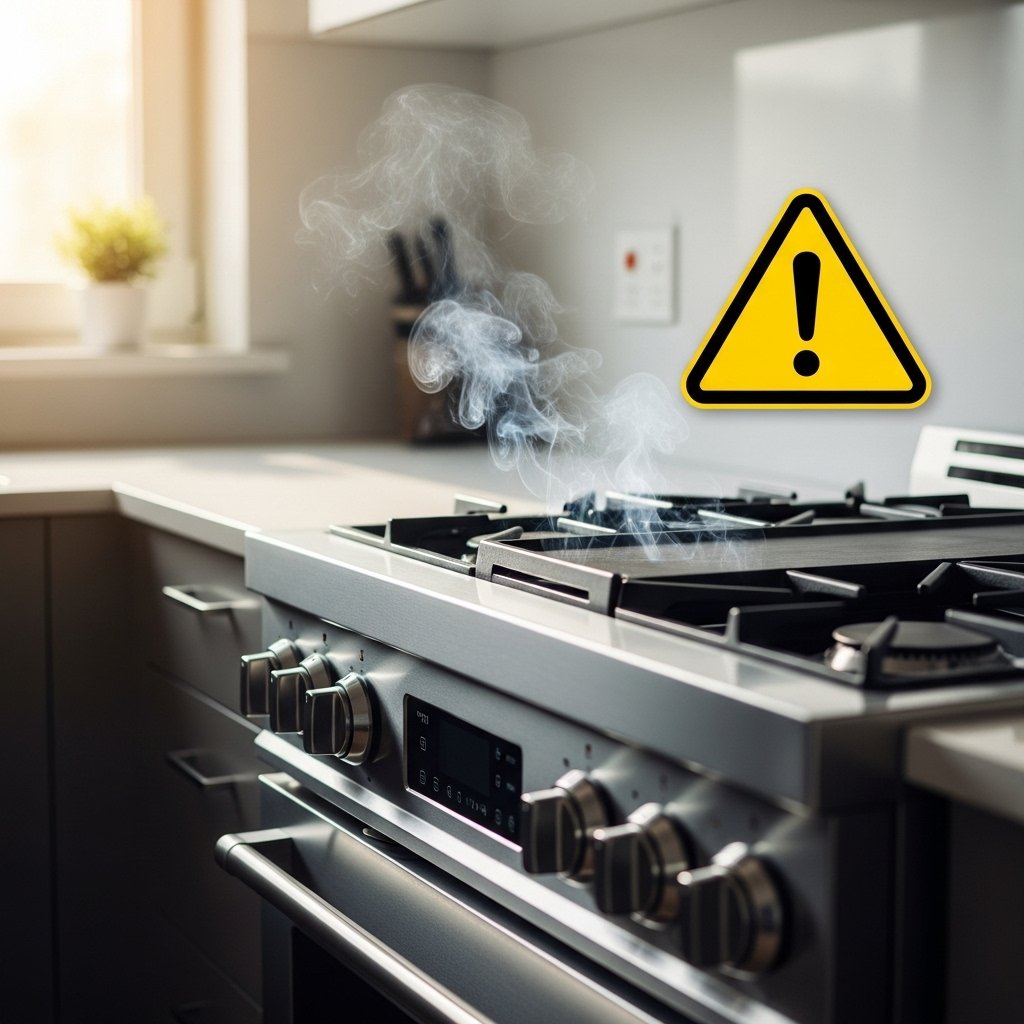
Carbon monoxide is a colorless, odorless gas that can be extremely dangerous if inhaled. Many homeowners worry about potential sources in their kitchen, and questions often arise, such as can an electric stove cause carbon monoxide. Understanding the risks, safety precautions, and proper appliance maintenance is essential for protecting your family and ensuring your stove operates efficiently.
Can Electric Stoves Produce Carbon Monoxide?
Electric stoves differ from gas stoves in that they use electricity to generate heat rather than burning fuel. Because carbon monoxide is a byproduct of combustion, electric stoves do not produce carbon monoxide under normal operating conditions. This makes them inherently safer in terms of CO risk compared to gas appliances.
However, it is important to note that malfunctioning electrical components or overheating due to faulty wiring can create other safety hazards, such as electrical fires. While these issues do not directly produce carbon monoxide, they highlight the importance of proper installation, regular maintenance, and professional inspections.
Common Appliance Problems That Can Affect Safety
Even though electric stoves do not emit carbon monoxide, they can develop issues that affect safety and performance. Some common problems include:
Burner Malfunctions: Heating elements may fail to heat evenly or stop working, leading to potential fire hazards if ignored.
Electrical Issues: Faulty wiring, tripped breakers, or short circuits can create dangerous conditions that require professional attention.
Control Panel Failures: Unresponsive knobs or touch controls can result in overheating or incorrect operation.
Overheating: Continuous use or blocked vents can cause the stove to overheat, increasing fire risk.
Professional appliance repair services, such as Sarcon Appliance Repair, offer diagnostics and repairs for these issues. Skilled technicians ensure your stove functions safely and efficiently.
Causes of Electric Stove Hazards
Understanding the potential causes of stove malfunctions can help homeowners prevent accidents:
Wear and Tear: Over time, heating elements, switches, and wiring can degrade, creating operational problems.
Improper Use: Using cookware that is too large, covering burners, or leaving the stove unattended increases the risk of overheating.
Lack of Maintenance: Dust, grease, and food residue can accumulate in burners and vents, affecting performance and safety.
Electrical Surges: Sudden voltage fluctuations can damage internal components, creating fire hazards.
Troubleshooting and Safety Tips
Homeowners can take some practical steps to troubleshoot and maintain their electric stove safely:
Inspect Burners: Ensure heating elements are intact and free of debris. Replace damaged elements promptly.
Check Electrical Connections: Make sure the stove is properly plugged in, and the outlet functions correctly. Avoid overloading circuits.
Clean Regularly: Wipe down burners, drip pans, and the stove surface to prevent buildup that could interfere with performance.
Monitor for Overheating: If the stove becomes excessively hot, turn it off immediately and allow it to cool.
Avoid DIY Electrical Repairs: Internal electrical components carry risk of shock or fire. Professional service is safer and more reliable.
Maintenance Advice for Longevity
Regular maintenance can prevent many hazards and extend the lifespan of your electric stove:
Schedule Professional Inspections: Trusted technicians can identify minor issues before they become serious. Sarcon Appliance Repair, trusted since 2013, provides same-day service for residential appliances, including diagnostics, repairs, and thorough cleaning.
Keep Vents Clear: Ensure ventilation openings are free from obstructions to prevent overheating.
Use Appropriate Cookware: Avoid cookware that is warped, excessively large, or incompatible with electric burners.
Test Controls Regularly: Ensure knobs, touchpads, and timers function correctly to maintain safe operation.
Address Issues Promptly: Even minor malfunctions should be addressed quickly to prevent more significant hazards.
When to Call a Professional
If you notice persistent problems, strange noises, uneven heating, or any electrical irregularities, it is best to contact a professional. Certified technicians can safely diagnose and repair your stove. Sarcon Appliance Repair offers reliable same-day service and skilled technicians who handle repairs efficiently, ensuring safety and optimal performance.
While electric stoves do not produce carbon monoxide, professional maintenance ensures your appliance remains safe, efficient, and reliable, reducing the risk of fire or electrical hazards.
Conclusion
Electric stoves are generally safe and do not produce carbon monoxide, unlike gas stoves. However, potential electrical hazards, overheating, and component malfunctions make proper maintenance and professional inspections essential. Understanding the difference between minor issues and serious malfunctions allows homeowners to act promptly and maintain a safe kitchen environment. Professional appliance repair services, such as Sarcon Appliance Repair, provide expert diagnostics, repairs, and thorough cleaning to ensure your electric stove remains in excellent working condition. Following these safety practices and scheduling regular inspections will keep your home safe and your stove operating efficiently.
FAQs
1. Can an electric stove produce carbon monoxide?
No, electric stoves do not burn fuel and therefore do not produce carbon monoxide under normal operation.
2. What are common hazards of electric stoves?
Electrical malfunctions, overheating, damaged burners, and faulty controls are common safety concerns with electric stoves.
3. How often should I maintain my electric stove?
Cleaning and basic inspections should be done monthly, while professional inspections are recommended every six months to a year.
4. What services does Sarcon Appliance Repair provide for electric stoves?
Sarcon Appliance Repair offers same-day diagnostics, expert repairs, and thorough cleaning to ensure safe and efficient operation.5. How can I prevent hazards with my electric stove?
Use proper cookware, clean regularly, avoid overloading circuits, and schedule professional inspections to maintain safety and performance.