Installing a drain hose for your dishwasher might seem like a daunting task, but with the right guidance, it can be a straightforward DIY project. Whether you’re dealing with a Whirlpool dishwasher or another brand, the steps are generally similar. This guide will walk you through the proper dishwasher drain hose installation process to ensure efficient operation and prevent leaks.
Before you begin, make sure you have all necessary tools and materials at hand. You will need:
- A new dishwasher drain hose
- Hose clamps
- A screwdriver
- Pliers
- A bucket or towel (to catch any residual water)
Having everything prepared will save you time and help the process go smoothly.
- Turn off the power: Before any work begins, ensure the dishwasher is unplugged, and the power supply is turned off at the circuit breaker.
- Access the drain hose: Remove the kick plate at the bottom of the dishwasher, which is typically held in place by screws.
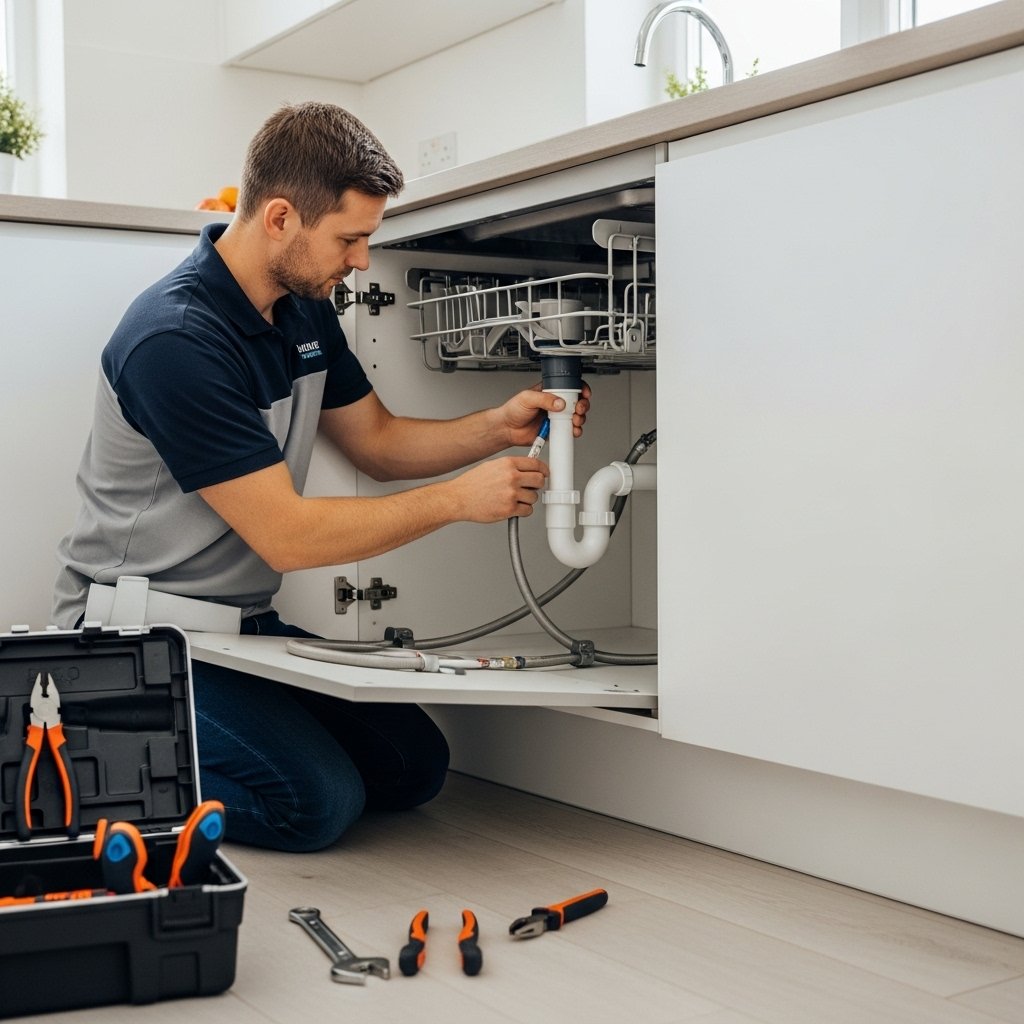
- Disconnect the hose: Locate the old drain hose, usually connected to the garbage disposal or sink drain. Use pliers to loosen the clamp and detach the hose. Have your bucket or towel ready to catch any water that might spill out.
- Attach one end to the dishwasher: Secure the new hose to the dishwasher’s drain outlet. Tighten the hose clamp with a screwdriver to ensure a snug fit.
- Position the hose: Route the drain hose through the hole in the side of the cabinet that leads to the sink area. Ensure it is not kinked or twisted.
- Connect to the sink or disposal: Attach the other end of the hose to the garbage disposal or the sink’s drain tailpiece. Use a hose clamp to secure it tightly.
An air gap is a crucial component that prevents dirty water from backing up into your dishwasher. If your setup doesn’t have one, consider installing a high loop by securing the hose at a point higher than the dishwasher’s bottom before connecting it to the drain. This method serves a similar purpose to an air gap.
- Reconnect the power: Once everything is connected, plug the dishwasher back in and turn on the power supply.
- Run a test cycle: Check for leaks by running a short cycle. Pay close attention to the connections at both ends of the hose.
By following these steps, you can ensure a proper dishwasher drain hose installation. A correctly installed hose not only prevents leaks but also enhances the efficiency of your dishwasher. If you encounter any issues during installation, don’t hesitate to consult your dishwasher’s manual or a professional plumber for assistance.
Frequently Asked Questions
Question: Are these steps the same for all dishwasher brands, like Whirlpool and others?
Short answer: Yes. While models can have small differences, the general process is the same across brands: turn off power, access and remove the old hose, attach the new hose to the dishwasher, route it to the sink area without kinks, secure it to the disposal or drain tailpiece with a clamp, and test for leaks.
Question: Do I need an air gap, or is a high loop sufficient?
Short answer: An air gap is a key safeguard against dirty water flowing back into your dishwasher. If your setup doesn’t have one, you can create a high loop by securing the hose at a point higher than the dishwasher’s bottom before connecting it to the drain. This serves a similar purpose in preventing backflow. If you’re unsure which to use, follow your dishwasher manual or consult a professional.
Question: Where should I connect the drain hose, and how should I route it?
Short answer: Connect the hose to either the garbage disposal or the sink’s drain tailpiece, using a hose clamp to secure it tightly. Route the hose through the cabinet opening to the sink area, making sure it isn’t kinked or twisted. Proper routing and a secure clamp at both the dishwasher outlet and the drain connection help ensure efficient draining and prevent leaks.
Question: Why do I need to unplug the dishwasher and turn off power at the circuit breaker?
Short answer: For safety. Unplugging removes power from the appliance, and switching off the breaker adds an extra layer of protection against accidental energizing while you’re working. This reduces the risk of electrical shock while you access and replace the drain hose.
Question: How do I check for leaks after installation, and what if I find one?
Short answer: Restore power and run a short cycle while watching the connections at both the dishwasher outlet and the sink/disposal end. If you see moisture, tighten the hose clamps and re-seat the hose so it’s fully seated on the fittings and not kinked. If leaks persist or you’re uncertain, consult your dishwasher’s manual or a professional plumber.