Choosing between an electric stove and a gas stove is a common dilemma for homeowners upgrading their kitchen or replacing an old appliance. Both types of stoves have unique benefits, drawbacks, and maintenance requirements. Understanding the differences, common appliance problems, and how to maintain your stove can help you make an informed choice and ensure safe, efficient operation.
Key Differences Between Electric and Gas Stoves
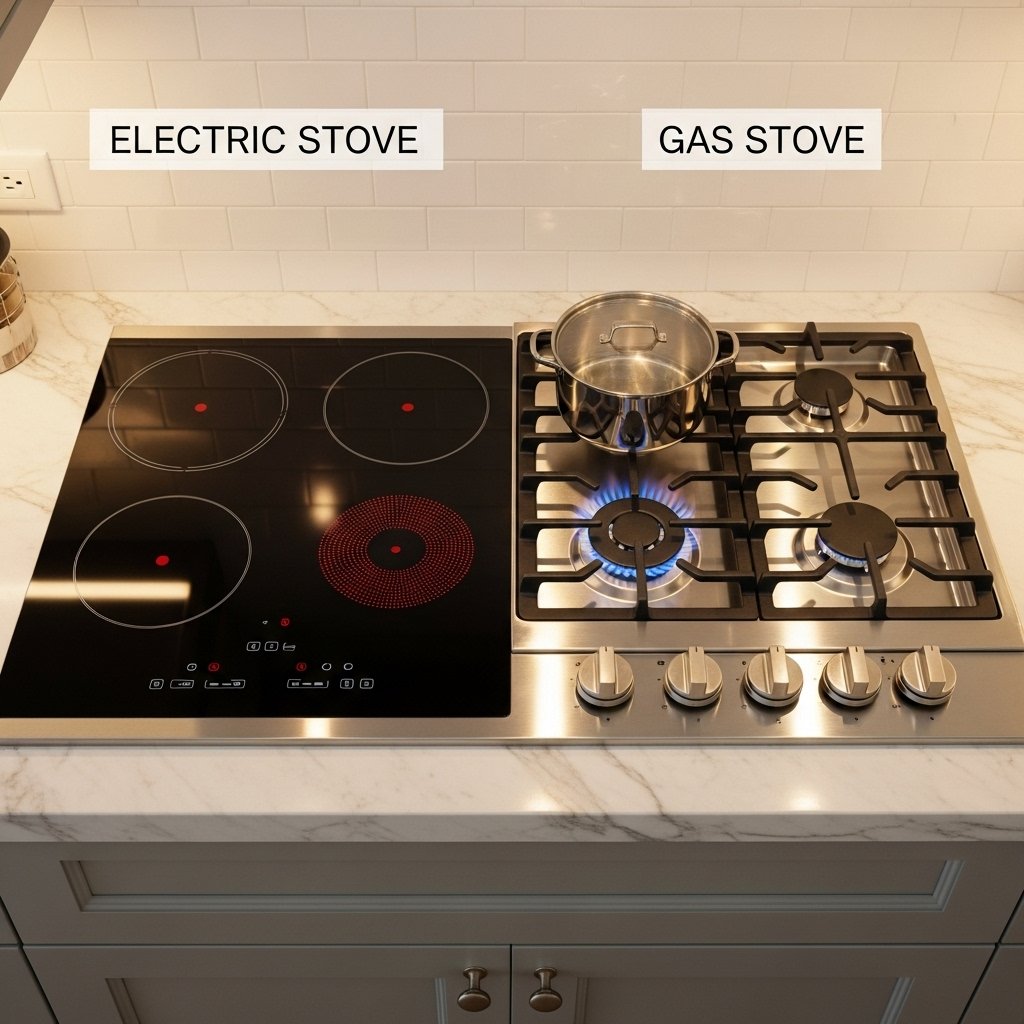
Heating Method: Electric stoves use electricity to heat coils or smooth-top surfaces, while gas stoves burn natural gas or propane to produce a flame.
Temperature Control: Gas stoves offer instant heat adjustment, making them popular among professional cooks. Electric stoves heat gradually and maintain consistent temperatures once set.
Installation: Electric stoves typically require a dedicated 240-volt outlet, whereas gas stoves need a gas line connection and proper ventilation.
Energy Efficiency: Electric stoves convert energy directly to heat, which can be efficient, but gas stoves provide quick heating and often lower operating costs depending on local energy prices.
Safety Considerations: Electric stoves do not produce carbon monoxide, while gas stoves require proper ventilation to avoid carbon monoxide exposure. Both appliances can pose electrical or fire hazards if malfunctioning.
Common Problems with Electric and Gas Stoves
Understanding common appliance problems can help you troubleshoot issues and know when to call a professional:
Electric Stove Issues: Burners not heating, uneven cooking, faulty control panels, and overheating are frequent problems. Electrical malfunctions and worn-out heating elements require prompt attention.
Gas Stove Issues: Ignition failures, gas leaks, uneven flame distribution, and clogged burners are common. Gas appliances need regular inspection for leaks and proper flame function.
Professional repair services, such as Sarcon Appliance Repair, provide diagnostics, repairs, and maintenance for both electric and gas stoves, ensuring safety and efficiency.
Causes of Stove Malfunctions
Several factors can contribute to stove malfunctions and reduced performance:
Wear and Tear: Frequent use over time causes heating elements, knobs, igniters, and burners to degrade.
Improper Use: Using cookware that is too large, leaving burners on unattended, or overloading the stove can lead to overheating or component failure.
Poor Maintenance: Accumulated grease, food debris, and dust can block burners, vents, and ignition systems, affecting performance.
Electrical or Gas Supply Issues: Voltage fluctuations, short circuits, or gas line problems can prevent proper stove operation and create safety hazards.
Troubleshooting Tips for Homeowners
Homeowners can perform simple checks to troubleshoot minor stove issues safely:
Inspect Burners and Heating Elements: Ensure electric coils and gas burners are intact, clean, and free of debris.
Check Power or Gas Supply: Make sure the electric stove is properly plugged in, the outlet is functional, or the gas stove is connected and gas valves are open.
Monitor Flame or Heating Performance: Uneven heating or irregular flames indicate possible malfunction. Avoid using the stove until inspected.
Clean Regularly: Remove food particles, grease, and spills from burners, drip pans, and surfaces to maintain efficiency and prevent hazards.
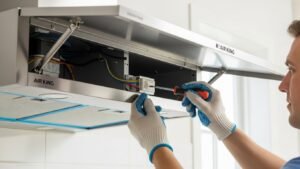
Avoid DIY Electrical Repairs: Internal components carry risk of shock or fire. Professional service is safer and more reliable.
Maintenance Advice for Longevity
Regular maintenance can prevent frequent repairs and extend the life of your stove:
Schedule Professional Inspections: Technicians can identify minor issues before they escalate. Sarcon Appliance Repair, trusted since 2013, provides same-day service for residential stoves, offering diagnostics, expert repairs, and thorough cleaning.
Keep Burners and Coils Clean: Regular cleaning prevents buildup that reduces performance and efficiency.
Check Gas Connections: For gas stoves, inspect hoses, regulators, and connections periodically to avoid leaks and ensure proper flame distribution.
Test Controls and Ignition Systems: Ensure knobs, touchpads, timers, and igniters work correctly to maintain safe operation.
Avoid Overheating: Follow manufacturer instructions for maximum cooking times and avoid running empty burners.
Choosing Between Electric and Gas Stoves
Your choice depends on cooking style, budget, safety considerations, and maintenance preferences:
Electric Stove Benefits: Consistent heating, easier cleaning on smooth tops, and no gas-related emissions. Ideal for homes without gas lines.
Gas Stove Benefits: Instant heat control, lower long-term energy costs in some areas, and preferred for precise cooking techniques. Requires proper ventilation and regular maintenance.
Professional installation and repair services ensure your chosen stove operates safely and efficiently. Companies like Sarcon Appliance Repair provide expert support for both types of stoves, from diagnostics to component replacement and cleaning.
Conclusion
Deciding between electric stove vs gas involves weighing cooking preferences, energy costs, safety, and maintenance needs. Electric stoves are safe, efficient, and low-maintenance, while gas stoves offer precise control and fast heating but require regular inspections and ventilation. Understanding common problems, their causes, and preventive maintenance ensures your stove operates efficiently and safely. Trusted professionals like Sarcon Appliance Repair, with experienced technicians offering same-day service, can handle diagnostics, repairs, and thorough cleaning for both electric and gas stoves. Regular maintenance and timely repairs will keep your kitchen appliances reliable for years.
FAQs
1. Which is safer, electric stove or gas stove?
Electric stoves are generally safer since they do not produce carbon monoxide, while gas stoves require proper ventilation to prevent CO buildup.
2. Can Sarcon Appliance Repair fix both electric and gas stoves?
Yes, Sarcon Appliance Repair offers same-day service, expert repairs, and thorough maintenance for both types of stoves.
3. What common problems occur with electric stoves?
Burners not heating, uneven cooking, faulty control panels, and overheating are typical issues.
4. How often should I maintain my stove?
Monthly cleaning and inspection combined with professional service every six months to a year helps prevent problems and extends appliance life.
5. Why is my gas stove flame uneven?
Clogged burners, dirty igniters, or gas supply issues often cause uneven flames. Professional inspection ensures safe and proper operation.