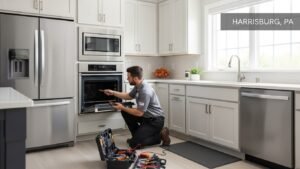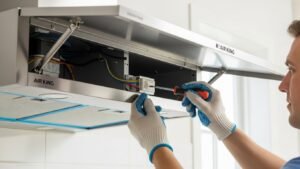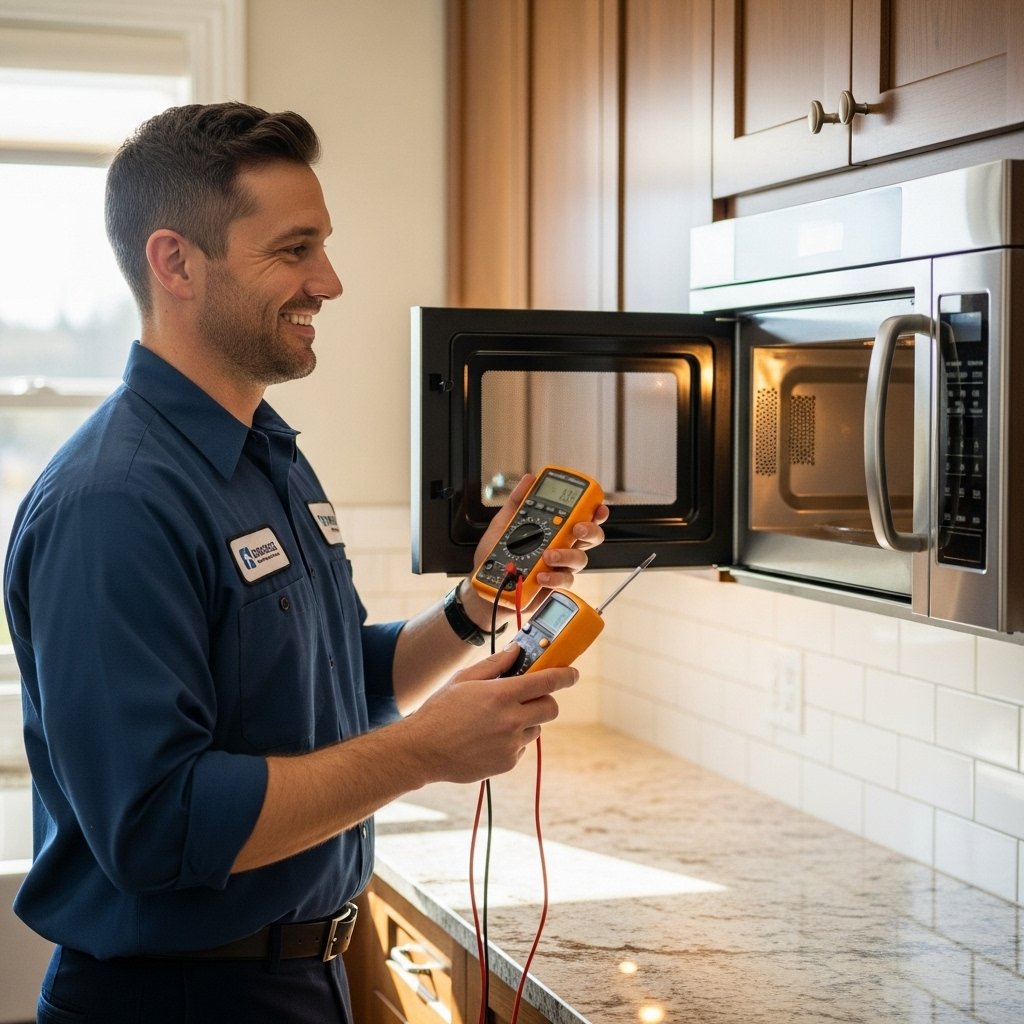
Microwaves are essential appliances in every home, providing convenience for cooking, reheating, and meal preparation. When a microwave malfunctions, it can disrupt your daily routine and create frustration. Finding a qualified microwave repair technician ensures that your appliance is repaired safely and efficiently. Understanding common problems, causes, and maintenance tips can help homeowners make informed decisions and know when professional help is needed.
Common Microwave Problems
Microwaves are prone to certain issues over time, many of which can be resolved with proper troubleshooting or professional repair.
Microwave Not Heating: One of the most frequent issues is when the microwave powers on but fails to heat food. This can be caused by a faulty magnetron, blown thermal fuse, or a malfunctioning door switch.
Strange Noises or Sparks: Buzzing, humming, or sparks inside the microwave indicate potential problems with the magnetron, high-voltage diode, or waveguide. Ignoring these signs can lead to further damage.
Turntable Malfunctions: If the turntable stops rotating, it may be due to a broken motor, misaligned roller guide, or debris obstructing the mechanism.
Unresponsive Buttons or Touchpad: A microwave with unresponsive buttons can make cooking difficult. This issue is often caused by worn control panels or faulty circuitry.
Microwave Shutting Off Mid-Cycle: Sudden power loss during operation may be due to overheating, a defective door latch, or failing internal components.
Causes of Microwave Malfunctions
Understanding why microwaves break down helps homeowners troubleshoot effectively and prevent further damage.
Electrical Problems: Power surges, faulty wiring, or outlet issues can prevent the microwave from operating correctly.
Normal Wear and Tear: Frequent use causes components such as the magnetron, turntable motor, and control board to wear out over time.
Improper Maintenance: Food debris, grease, and spills inside the microwave can damage internal parts and impair performance.
User Errors: Using metal containers, overcrowding the microwave, or running it empty can lead to sparks, overheating, or component failure.
Troubleshooting Tips for Homeowners
Before calling a microwave repair technician, homeowners can perform a few safe checks to identify simple problems.
Check the Power Source: Ensure the microwave is properly plugged in and that the outlet is functioning. Testing the outlet with another appliance can confirm if power is the issue.
Inspect the Door and Seal: Microwaves will not operate if the door latch is damaged or the seal is misaligned. Cleaning the door and ensuring it closes properly can sometimes resolve minor issues.
Clean the Interior: Remove food particles and debris from the interior, turntable, and roller guide to prevent sparks and maintain proper operation.
Test the Settings and Timer: Make sure the correct power level and cooking time are selected. Occasionally, simple adjustments can solve the problem.
Avoid DIY Repairs for High-Voltage Parts: Components like the magnetron carry dangerous voltages. If your microwave has internal electrical issues, contact a professional technician.
Maintenance Advice to Extend Microwave Life
Regular maintenance can prevent common problems and keep your microwave performing efficiently.
Keep the Microwave Clean: Wipe down the interior, exterior, and door regularly to prevent buildup. Avoid harsh chemicals that could damage the surfaces.
Use Microwave-Safe Containers: Only use glass, ceramic, or approved microwave-safe plastic containers to prevent sparks or internal damage.
Avoid Overheating: Do not operate the microwave empty or for extended periods, as this can harm internal components.
Inspect Components Regularly: Check the door seal, turntable, and vents periodically to ensure smooth operation.
Schedule Professional Maintenance: A qualified microwave repair technician can perform inspections and detect minor issues before they become costly repairs. Trusted providers like Sarcon Appliance Repair have skilled technicians who offer diagnostics, expert repairs, and thorough cleaning to extend the life of your appliance.
When to Hire a Microwave Repair Technician
Some microwave problems are best handled by experienced professionals. Situations that require a microwave repair technician include:
Electrical Malfunctions: If the microwave has internal electrical issues, sparks, or unusual noises.
Component Replacement: Repairs involving the magnetron, control board, or high-voltage diode.
Persistent Malfunctions: If troubleshooting steps do not resolve heating, turntable, or control issues.
Safety Concerns: Any signs of smoke, burning smell, or sparks require immediate professional inspection.
Companies like Sarcon Appliance Repair, trusted since 2013, provide same-day service for residential appliances. Their skilled technicians handle diagnostics, repairs, and cleaning efficiently, ensuring safe and long-lasting results.
Conclusion
A malfunctioning microwave can disrupt daily life, but understanding common issues, their causes, and basic troubleshooting tips can help homeowners make informed decisions. Regular maintenance, proper usage, and timely professional inspections can extend the life of your appliance. For complex repairs, hiring a certified microwave repair technician ensures safety and efficiency. Searching for a trusted provider such as Sarcon Appliance Repair offers peace of mind, quick solutions, and expert service when you need it most.
FAQs
1. How do I find a reliable microwave repair technician?
Look for certified professionals with experience, positive reviews, and same-day service options. Local companies like Sarcon Appliance Repair have skilled technicians and a proven track record.
2. Can I fix my microwave myself?
Minor maintenance like cleaning and checking the power source is safe. Internal repairs involving high-voltage components should be done by professionals.
3. How often should I maintain my microwave?
Clean the microwave after each use and inspect components every few months to prevent buildup and detect minor problems early.
4. What does a microwave repair technician do?
Technicians diagnose issues, replace faulty components, perform thorough cleaning, and ensure the appliance operates safely and efficiently.
5. Why is my microwave making strange noises?
Buzzing, humming, or sparks usually indicate problems with the magnetron, motor, or waveguide. Prompt professional inspection can prevent further damage.