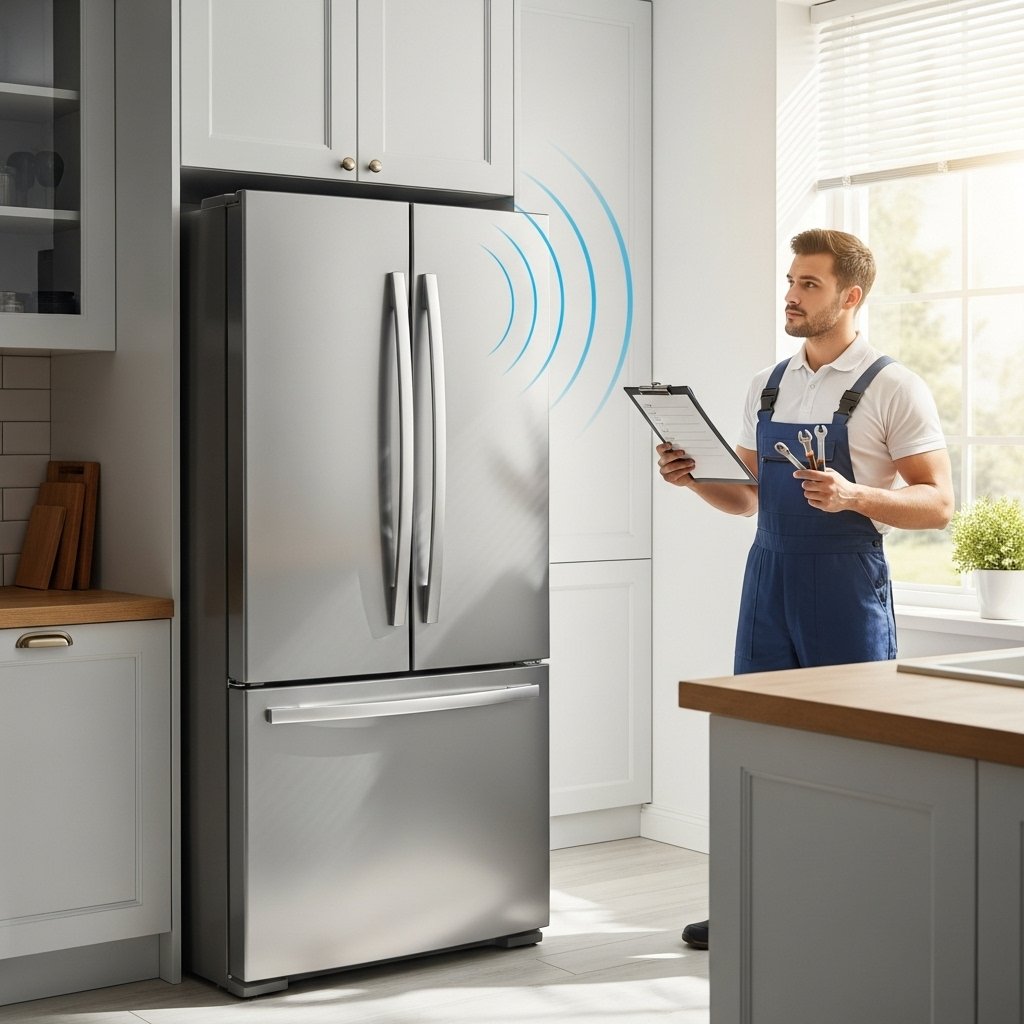
Refrigerators are vital appliances in our homes, preserving our food and keeping it fresh. However, when they start making unfamiliar noises, it can be concerning. One common sound you might hear is a humming noise. While some humming is normal, excessive or unusual humming can indicate a problem. In this article, we’ll explore the common causes of refrigerator humming sounds and provide tips on how to address them. By understanding the potential sources of these sounds, homeowners can take proactive steps to maintain their appliances and avoid costly repairs.
Normal Refrigerator Humming
Refrigerators are complex machines that work continuously to maintain the right temperature. As such, some humming is normal and expected. This sound often comes from the motor or compressor doing its job. The motor and compressor are the primary components responsible for circulating refrigerant and maintaining the cool environment inside. As these components operate, they emit a low-level hum which is typically not disruptive.
The sound of a normal humming noise is usually consistent and does not vary in volume or pitch. It is a sign that your refrigerator is functioning correctly and efficiently. However, it’s essential to be familiar with this baseline noise level so that you can quickly identify when something is amiss. Understanding what your refrigerator sounds like when it’s functioning normally can help you detect potential issues early, preventing more significant problems down the line.
If the humming noise becomes louder or changes in tone, it could be a sign that something is amiss. This is when it becomes important to investigate further. A change in the sound could indicate that a component is struggling or failing, which might lead to more severe issues if left unaddressed.
Louder humming may be accompanied by other symptoms, such as the refrigerator not cooling properly or unusual vibrations. These signs suggest that the appliance is working harder than it should, which can increase wear and tear on its components. Addressing these issues promptly can help maintain the refrigerator’s efficiency and prevent costly repairs.
Common Causes of Excessive Humming
1. Dirty Condenser Coils
Dirty condenser coils are one of the most common causes of excessive humming. These coils release heat from the refrigerator, and when they are covered in dust or debris, the refrigerator has to work harder, leading to a louder humming sound. Over time, as the coils become clogged, the efficiency of the heat exchange process diminishes, causing the compressor to run longer and more frequently.
Solution: Clean the condenser coils regularly. Unplug the refrigerator and use a vacuum or a brush to gently clean the coils. This not only reduces noise but also improves efficiency. Regular cleaning can prevent overheating and extend the life of your refrigerator. Ideally, this maintenance task should be performed every few months to keep your appliance running smoothly.
2. Malfunctioning Evaporator Fan
The evaporator fan circulates air over the refrigerator coils, keeping the fridge cool. If this fan is defective or obstructed, it can produce a loud humming noise. A malfunctioning fan may not distribute cold air effectively, leading to uneven cooling and potential spoilage of food items stored in the refrigerator.
Solution: Inspect the fan for any obstructions or damage. If the fan is faulty, you may need to replace it. This can often be done with a simple guide from a refrigerator repair manual. Ensuring that the fan blades are free of debris and rotate smoothly can prevent issues. In some cases, lubricating the fan bearings can also help reduce noise.
3. Failing Compressor
The compressor is the heart of the refrigerator, pumping refrigerant through the system. A malfunctioning compressor can cause a constant loud humming noise, and this is one of the more serious issues. A failing compressor may not only create noise but also lead to inadequate cooling, which can result in spoiled food and increased energy consumption.
Solution: If you suspect the compressor is the issue, it’s best to consult a professional. Compressors can be complex and dangerous to handle without proper training. A qualified technician can diagnose the problem accurately and determine whether the compressor needs repair or replacement. Regular servicing by professionals can help identify potential issues before they escalate.
4. Unlevel Refrigerator
A refrigerator that isn’t level can also produce unusual noises. When the fridge is not stable, it can cause vibrations that lead to a humming sound. These vibrations can also loosen internal components over time, leading to further issues and potential damage.
Solution: Use a level to check the refrigerator’s position. Adjust the feet of the fridge until it is evenly balanced. Ensuring that the appliance is on a stable surface can prevent unwanted vibrations and noise. Proper leveling not only minimizes noise but also enhances the refrigerator’s efficiency and lifespan.
5. Electrical Issues
If your refrigerator sounds like it is sparking instead of humming, this could indicate a serious electrical problem. It’s important to address this immediately to avoid any potential hazards. Electrical issues can pose significant risks, including the possibility of a fire, so they should never be ignored.
Solution: Unplug the refrigerator and consult an appliance repair professional. Do not attempt to fix electrical issues without professional assistance. A certified technician can safely diagnose and resolve electrical problems, ensuring your appliance operates safely. Regular inspections by a professional can also help detect electrical issues before they become dangerous.
Preventive Maintenance Tips
Regular maintenance can prevent a lot of noise-related issues. Keep the refrigerator clean, check the seals, and ensure all parts are functioning properly. Performing routine checks can help identify potential problems early, allowing you to address them before they escalate into significant issues.
1. Clean the Coils
Regularly clean the condenser coils to prevent overheating and reduce noise. A clean fridge runs more efficiently and reduces the strain on the compressor.
2. Inspect the Fans
Ensure that the evaporator and condenser fans are free from debris and working correctly. This helps ensure proper airflow and temperature regulation.
3. Check for Loose Components
Sometimes, loose components can cause vibrations and noise. Check all screws, bolts, and panels to ensure everything is tight. Over time, the constant operation of the refrigerator can cause parts to loosen, which may lead to increased noise levels and potential damage.
4. Ensure Proper Ventilation
Make sure there is enough space around your refrigerator for proper airflow. Poor ventilation can cause the refrigerator to overwork, leading to excessive noise. Adequate space allows heat to dissipate efficiently, preventing the compressor from running continuously.
5. Maintain Door Seals
Check and clean the door seals regularly. Poorly sealed doors can allow warm air to enter, causing the compressor to run longer and produce more noise.
When to Call a Professional
While some refrigerator noises can be resolved with simple DIY fixes, others require professional attention. If you have tried troubleshooting and the noise persists, it may be time to call a repair technician. Persistent noises can indicate underlying issues that need expert diagnosis and repair.
A professional can provide an accurate assessment and recommend the best course of action. They have the tools and expertise to address complex problems, ensuring your refrigerator functions properly. Investing in professional assistance not only resolves current issues but can also prevent future problems, saving you time and money in the long run.
Conclusion
A humming refrigerator can be a minor annoyance or a sign of a more significant problem. Understanding the common causes and solutions can help you keep your fridge running quietly and efficiently. Regular maintenance and timely repairs are key to extending the life of your appliance and ensuring it operates smoothly.
By following these tips and troubleshooting steps, you can address refrigerator humming sounds effectively. Remember, when in doubt, consult a professional to ensure your refrigerator remains in good working condition. Taking a proactive approach to appliance care can significantly enhance your refrigerator’s performance and longevity, providing peace of mind and ensuring your food stays fresh.