Residential appliances are the quiet workhorses of your home. From keeping your food fresh to making sure laundry gets done on time, these machines play a major role in daily comfort and efficiency. Most homeowners only think about them when something goes wrong, but understanding how residential appliances work, how to maintain them, and when to call a professional can save you time, stress, and money.
After years in the appliance repair field, one thing is clear. Homes that take proactive care of their appliances experience fewer breakdowns and longer service life. This guide breaks down the essentials in a clear, practical way so you can make smarter decisions about your home appliances.
What Counts as Residential Appliances?
Residential appliances include all the major machines designed for household use. These are different from commercial units because they are built for lighter daily loads rather than nonstop operation.
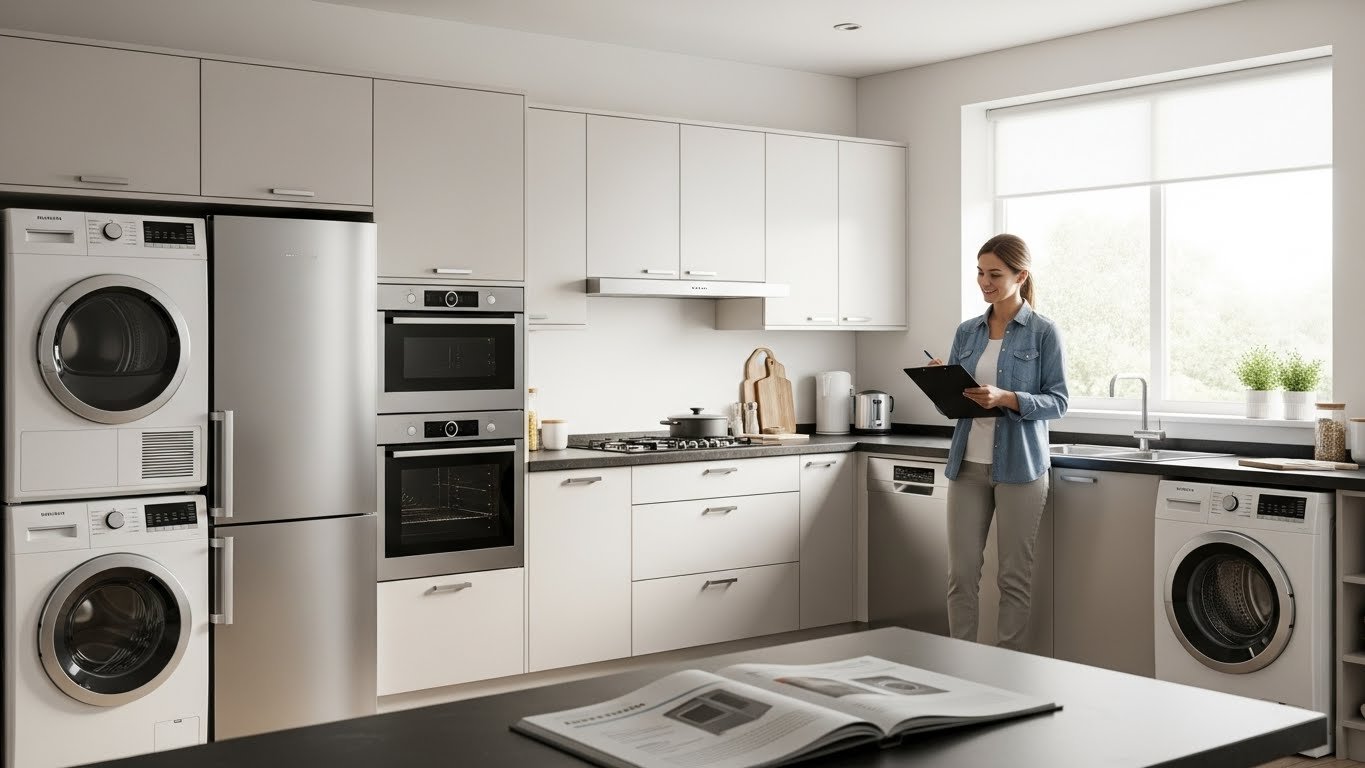
Common residential appliances include refrigerators, washing machines, dryers, dishwashers, cooktops, wall ovens, microwaves, freezers, and range hoods. Each of these appliances has its own maintenance needs, warning signs, and repair considerations.
Understanding how each appliance fits into your household routine helps you spot problems early and avoid expensive damage.
Why Residential Appliances Fail Over Time
Even the best residential appliances wear down eventually. Most failures come from a few predictable causes.
Normal wear and tear is the biggest factor. Motors, belts, seals, and electrical components all have a limited lifespan. Lack of maintenance is another major issue. Dirty coils, clogged drains, and neglected filters force appliances to work harder than necessary.
Power surges, improper installation, and overloading machines also contribute to early failure. For example, overloaded washers often develop spinning issues, while dryers pushed beyond capacity may stop heating properly. If you want a deeper look at dryer heating issues, this guide on dryer not heating explains common causes and fixes in detail.
Essential Maintenance Tips for Residential Appliances
Routine care makes a noticeable difference in appliance performance and lifespan. You do not need advanced tools or technical training to handle basic maintenance.
Clean refrigerator coils at least twice a year to keep cooling efficient. Wipe door seals and check for cracks that can cause air leaks. If you hear unusual noises, this resource on refrigerator humming sounds: causes and solutions is helpful for identifying early warning signs.
For washing machines, avoid overloading and clean detergent dispensers monthly. If the washer starts failing to spin, this article on washing machine not spinning can help you understand whether the issue is minor or needs professional attention.
Dishwashers benefit from regular filter cleaning and occasional drain checks. If water starts pooling at the bottom, this troubleshooting guide on dishwasher not draining offers practical insights.
When to Repair vs Replace Residential Appliances
Homeowners often ask whether repairing a residential appliance is worth it. The answer depends on age, repair cost, and overall condition.
As a general rule, if the repair cost is less than half the price of a replacement and the appliance is under ten years old, repair is usually the smarter option. Refrigerators, for example, often last well over a decade with proper care. This article on is it worth it to repair a refrigerator breaks down the decision clearly.
Frequent breakdowns, rising energy bills, or unavailable replacement parts may signal that replacement is the better long-term investment.
Common Residential Appliance Repairs Homeowners Face
Certain appliance problems show up again and again in residential settings.
Microwaves may stop heating or develop door switch issues. When that happens, professional microwave repair is often safer than DIY due to high-voltage components. Many homeowners find value in reading microwave repair near me: tips and solutions to understand what can and cannot be safely handled at home.
Refrigerators often suffer from faulty compressors, leaking water lines, or worn door seals. Dryers commonly fail to heat because of thermal fuses or clogged vents. Cooktops and wall ovens may experience burner ignition problems or uneven heating, which usually require expert diagnostics from a trained technician.
The Importance of Professional Appliance Repair
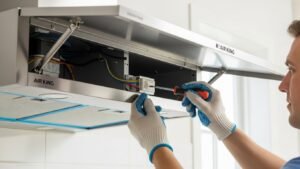
While minor maintenance can be done at home, residential appliances are complex machines. Electrical systems, gas lines, and control boards require specialized tools and training.
Calling a professional reduces the risk of injury and prevents accidental damage that can make a small issue worse. A qualified technician can also spot secondary problems that homeowners might overlook.
Companies like Sarcon Appliance Repair are often called in when homeowners want accurate diagnostics and same-day service without guesswork. Experienced technicians know how to handle modern appliance technology while respecting manufacturer specifications.
Choosing Local Appliance Repair Services
Location matters when it comes to residential appliance repair. Local technicians understand regional housing styles, utility standards, and common appliance brands used in the area.
Homeowners looking for reliable appliance repair in Harrisburg often prefer local providers who can respond quickly and offer follow-up support. Faster service not only restores convenience but can prevent food spoilage, water damage, or safety concerns.
Always look for technicians who are transparent about pricing, trained on major brands, and willing to explain the repair process in plain language.
How Residential Appliances Impact Energy Efficiency
Well-maintained residential appliances use less energy and perform better. Dirty refrigerator coils force compressors to run longer. Clogged dryer vents increase drying time and energy use. Faulty oven thermostats cause uneven cooking and wasted power.
If energy bills are climbing unexpectedly, appliance efficiency is worth evaluating. Simple maintenance combined with timely repairs can significantly reduce monthly utility costs.
Protecting Your Investment Long Term
Residential appliances represent a significant investment in your home. Protecting them means combining smart daily habits with professional support when needed.
Register new appliances for warranty coverage. Use manufacturer-recommended parts and detergents. Schedule professional inspections if an appliance shows repeated issues or unusual behavior.
Most importantly, do not ignore small warning signs. Strange noises, slow performance, or minor leaks often signal larger problems ahead.
Conclusion
Residential appliances are essential to modern living, and taking care of them pays off in comfort, efficiency, and long-term savings. With regular maintenance, informed repair decisions, and help from trusted professionals, homeowners can extend the life of their appliances and avoid unnecessary replacements.
Whether it is a refrigerator struggling to cool or a dryer that will not heat, understanding how residential appliances work puts you in control. When expert help is needed, working with experienced technicians ensures the job is done right the first time.
Frequently Asked Questions
How long do residential appliances usually last?
Most residential appliances last between 8 and 15 years, depending on usage, maintenance, and brand quality.
Can I repair residential appliances myself?
Basic maintenance is fine, but electrical, gas, and sealed-system repairs should always be handled by professionals.
What appliance breaks down most often in homes?
Washing machines and refrigerators tend to require repairs most frequently due to daily use.
How do I know if an appliance repair is worth the cost?
Compare the repair cost to replacement price and consider the appliance age and overall condition. Do local appliance repair services respond faster?
Yes, local providers typically offer quicker response times and better familiarity with regional appliance needs.